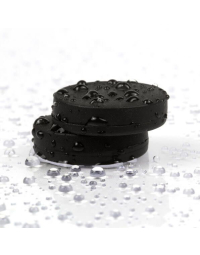
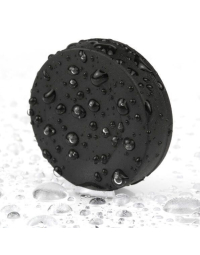
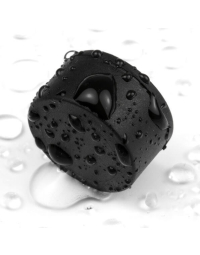
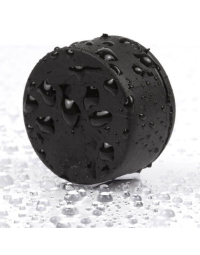
When it comes to water and moisture, different types of magnets react in different ways. In this article, we take a closer look at whether magnets can withstand water and moisture, and what precautions can be taken.
The Effect of Moisture on Magnets
Moisture is hard to avoid, as it is a natural part of the air around us. The air can be more or less humid, but in most environments, the humidity level is high enough to negatively affect certain types of magnets.
The process we are concerned with when water meets a magnet is corrosion. This is a chemical reaction that occurs when oxygen and water interact with the metals that a magnet is made of. As a result of corrosion, the magnet may begin to rust and deteriorate. Sometimes the damage is only cosmetic, but if not addressed, the magnet will begin to lose its strength as it cracks, splits, or crumbles.
Because there are different types of magnets, they also react differently when exposed to water and oxygen. Here are the most common types of magnets:
- Neodymium (NdFeB) magnets - Neodymium magnets are the strongest magnets on the market and are mainly composed of neodymium, iron, and boron. Their high iron content makes them very susceptible to corrosion. Without a protective coating, such as nickel, neodymium magnets quickly rust in humid environments.
- Ferrite (ceramic) magnets - Ferrite magnets are primarily made of iron oxide. They are resistant to corrosion and are low-cost. Although their strength is significantly lower than neodymium magnets, they are highly durable in humid environments.
- Samarium-cobalt (SmCo) magnets - SmCo magnets are slightly less powerful than neodymium magnets, but they are much more resistant to corrosion. They work well in moist and salty environments. They are more expensive than neodymium magnets, but their durability makes them ideal for wet conditions.
- Alnico magnets - Alnico magnets are made from aluminum, nickel, and cobalt. They are moderately resistant to corrosion. While they are more robust than neodymium magnets in humid environments, they still benefit from a protective coating.
How to Protect Magnets from Water and Moisture
Since corrosion is a concern, several methods have been developed to prevent it. Here are some of the most common solutions:
- Metal Coating
The most common way to protect magnets is by applying a very thin layer of metal. The most common coating is nickel-copper-nickel. As long as the coating remains intact, it protects the magnet from corrosion. Because the coating is very thin, it has certain limitations and does not protect against impacts, shocks, or wear. Despite these drawbacks, metal coating is the type of protection used on most neodymium magnets.
- Polymer Coatings - Epoxy is a polymer that provides good protection against moisture and also offers better resistance to wear compared to standard metal coatings.
- Encapsulation - Sometimes it's a good idea to give extra protection to magnets that already have a metal coating. This can be done by encapsulating the magnet in a casing, such as plastic.
- Vacuum Sealing - Another method is vacuum packaging, where the magnet is placed in a container and the air is removed. This eliminates both air and moisture, protecting the magnet. This method may not be very practical for everyday use but is often used during long-term transport of raw magnets that have not yet been coated.
Summary
How a magnet should be protected depends on where and how it is used:
- The magnet is used in dry environments and never exposed to moisture - Regardless of the magnet type, a standard metal coating will likely be sufficient.
- The magnet is occasionally used in humid environments - A standard metal coating may be enough if the magnet is mostly dry. You can consider a more water-resistant coating such as Teflon, rubber, or a plastic casing to protect neodymium magnets. Alternatively, you can choose a more moisture-resistant magnet type such as ferrite, alnico, or SmCo magnets.
- The magnet is mainly used in humid environments - Neodymium and alnico magnets should be protected with Teflon, rubber, plastic casing, or similar. Alternatively, you can choose ferrite or SmCo magnets, which handle moisture better without additional protection.
If you have questions about how to protect magnets for your project, you are always welcome to contact us at info@brisingi.com