Guideline tightening torque in Nm for metric bolts M2–M20 (8.8, 10.9, 12.9), including coarse/fine threads and how lubrication and coatings affect tightening.
Drilling or sawing into neodymium or ceramic magnets is technically possible but not recommended due to brittleness, heat sensitivity, and safety hazards.
Learn about how factors like magnet grade, temperature, surface conditions, and aging affect the strength of neodymium magnets. Learn how to maintain optimal performance.
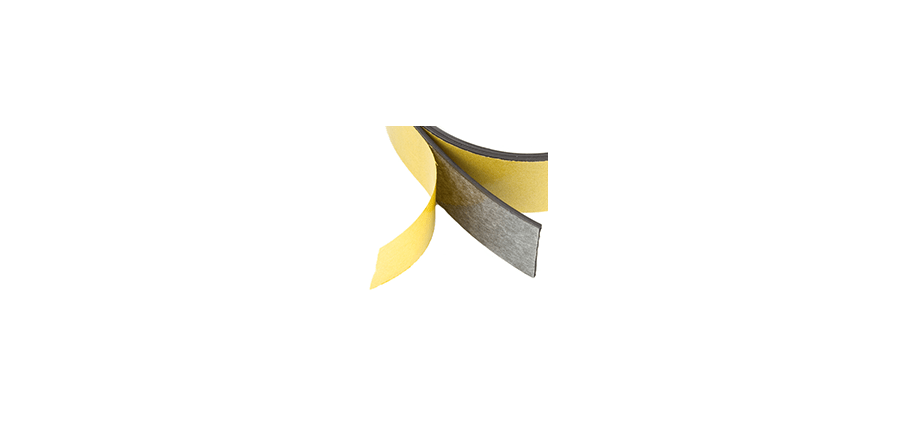
Learn how to use self‑adhesive neodymium magnets (sold in pairs, stick to many surfaces) and flexible magnetic tape (cut‑to‑size, weaker but ideal for lightweight signs). Get tips on adhesion, writing on tape, cleaning and avoiding damage.
Learn what magnet quality grades like N42 and N45 mean, including their strength and temperature resistance, to help you choose the right magnet for your needs.
Learn about the importance of coatings for neodymium magnets, including options like nickel, gold, and rubber, to prevent corrosion and suit various applications.
Are magnets dangerous to people, children, or electronics? Learn when magnets can pose a risk and how to handle them safely with clear, practical tips.
Understand the difference between magnet strength, holding power, and carrying capacity. Learn how friction and surface type affect a magnet's ability to hold weight.
Discover whether magnets are poisonous and learn about the potential risks associated with their use. Understand safety measures to prevent accidents, especially concerning neodymium magnets.
Learn why standard magnets may not work on glass boards and learn how to select strong neodymium magnets that ensure secure attachment without damaging the surface.

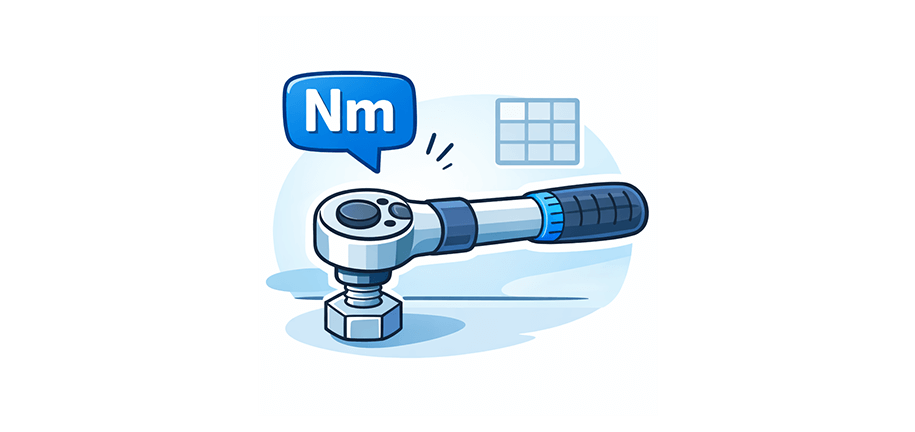 Tightening torque in Nm: Table for metric bolts (M2–M20)
  What is the strongest magnet?
 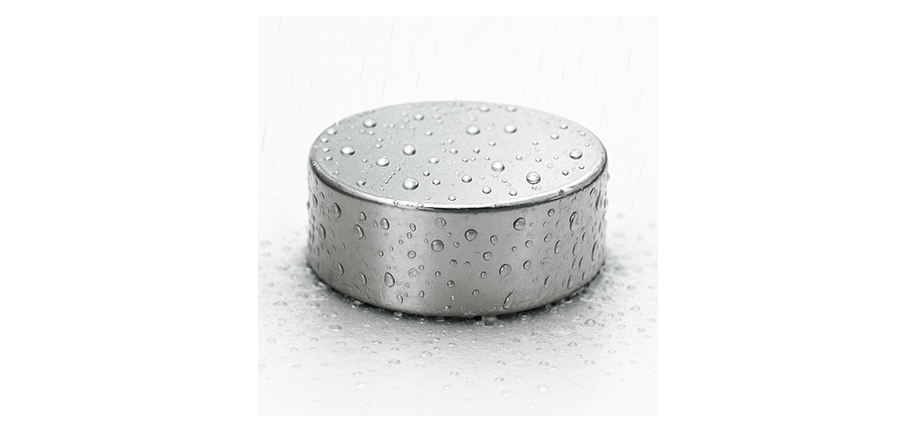 Can magnets withstand water and moisture?
 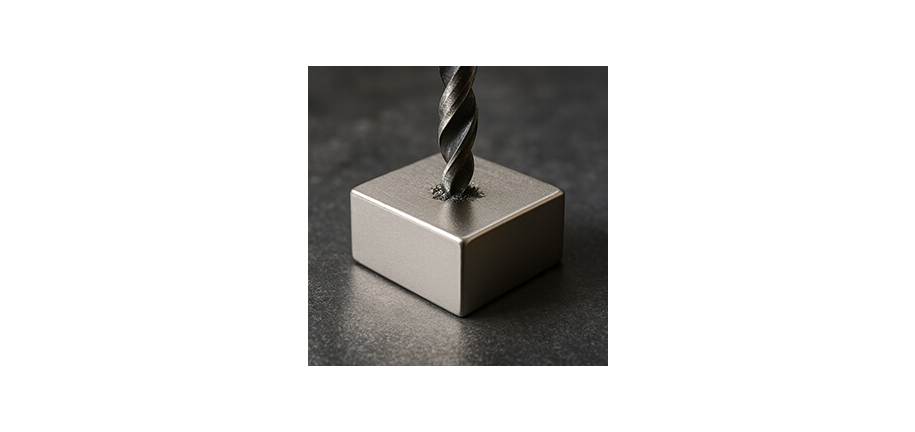 Can I drill and saw in a magnet?
  Factors Influencing Neodymium Magnet Strength
  Self-adhesive magnets and magnetic tape
  Can magnets be stacked?
  What should I know about gauss?
 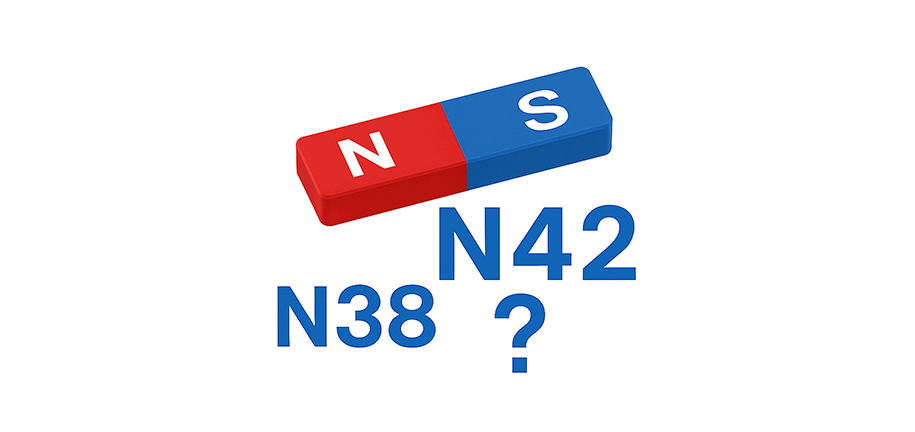 What does quality grade, N45, N42 etc. mean?
  What is alloy and which one should I choose?
 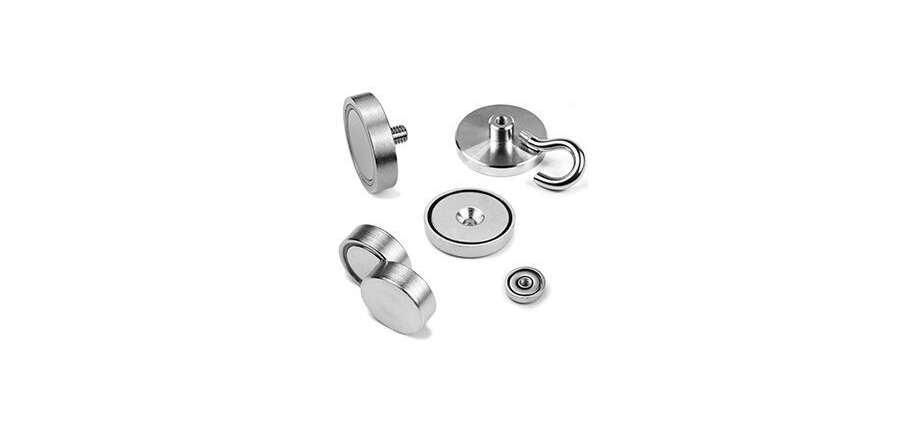 What is a pot magnet?
  Are magnets heat resistant?
  How to find the magnetic poles on a magnet
 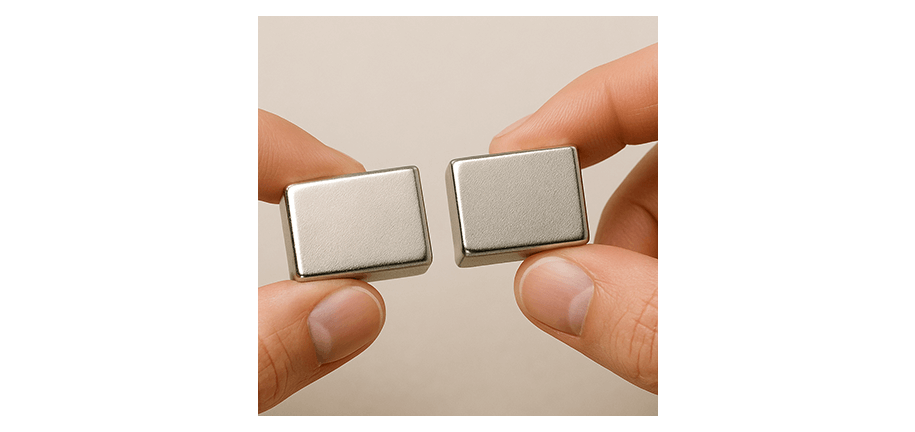 How do you separate two magnets?
  Is there a way to make a magnet stronger?
 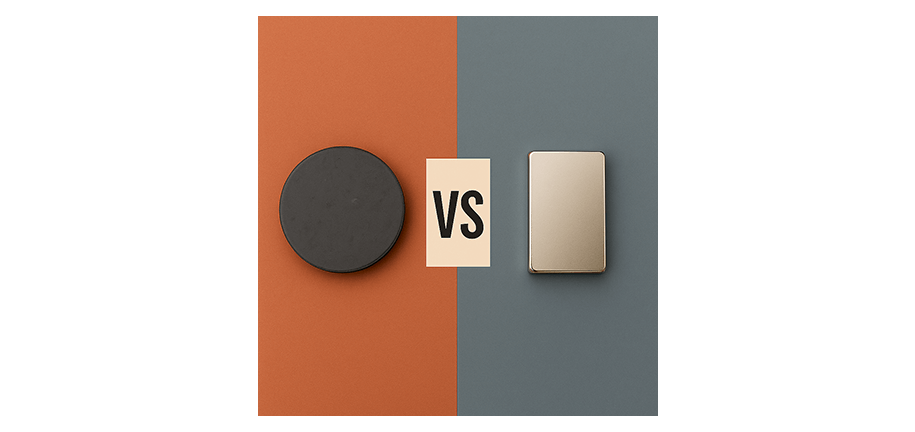 The difference between ferrite and neodymium magnets?
  Are magnets dangerous?
 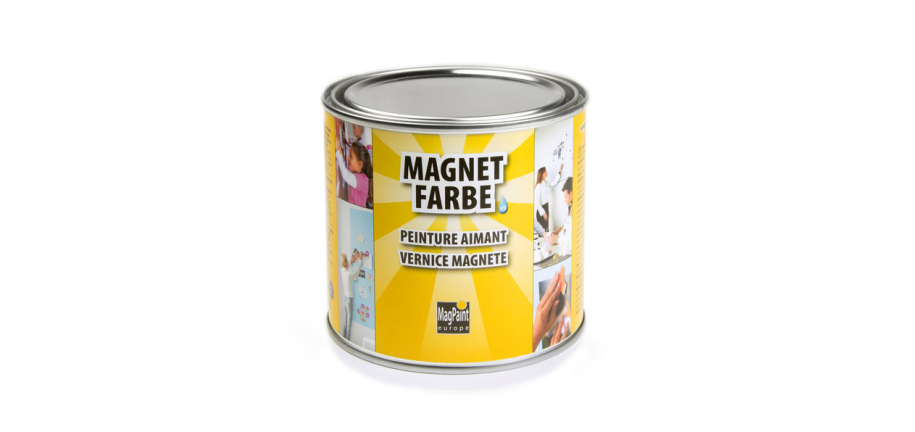 Everything about magnetic paint
 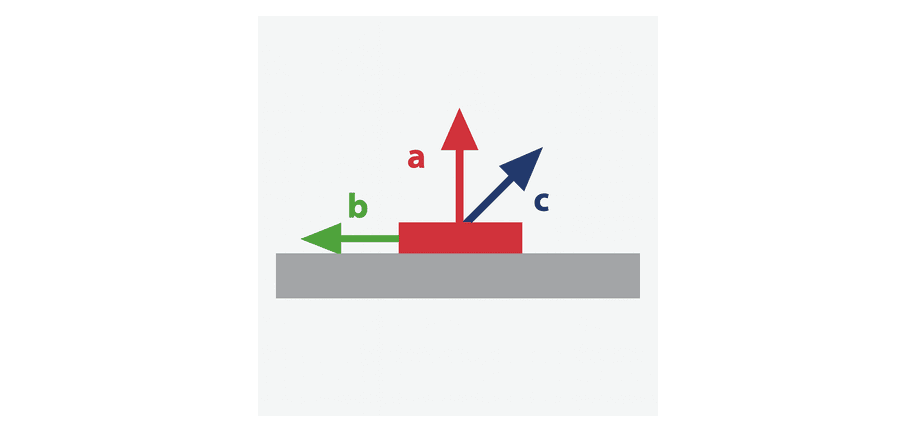 What does Strength, Holding Power and Carrying Capacity mean?
  Are magnets poisonous?
  What Is the Plus and Minus of a Magnet?
  How long does a magnet last?
  Magnetic therapy
 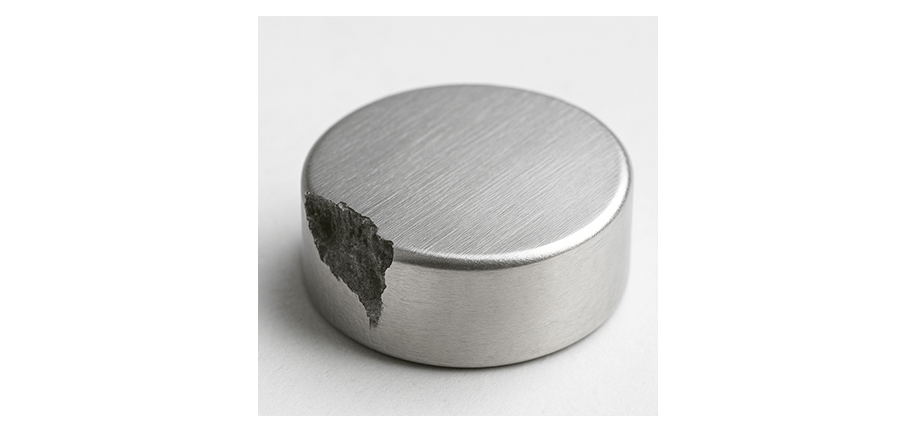 Avoid chipping magnets
  What magnets work on glass boards?